Cart
0


Diamond Cut Guide
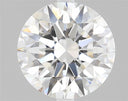
Picture two diamonds sitting side by side. Same carat weight. Same colour. Same clarity. Yet one blazes with light, alive with sparkle, fire, and brilliance. The other sits flat and lifeless, lacking any of that magic.
The difference? Cut quality.
Of all the 4Cs, cut has the single greatest impact on how beautiful a diamond looks. It's the only factor that's entirely determined by human craftsmanship rather than nature, and it's the one factor where choosing wisely makes the most dramatic visible difference.
This guide explains exactly what diamond cut means, how it's evaluated, and what specifications to look for when buying a diamond in Australia.
What Diamond Cut Actually Measures
Shape describes what the diamond looks like:
round, oval, princess, emerald, and so on.
Cut measures the quality of craftsmanship: how precisely the diamond's facets were created, aligned, and polished to interact with light.
When a skilled cutter transforms rough stone into a polished diamond, they make precise decisions about:
• Proportions - The angles, depths, and relative measurements of each facet
• Symmetry - How precisely facets align and mirror each other
• Polish - The smoothness and quality of each facet surface
When these elements come together perfectly, the result is a diamond that captures light entering through the crown, reflects it between internal facets, and returns it to your eye in an extraordinary display of brilliance, fire, and scintillation.
The Three Visual Effects of Excellent Cut
Brilliance: The pure white light reflected back at you from inside and outside the diamond. A well-cut diamond appears luminous, almost glowing, from any angle.
Fire: The dispersion of white light into its spectral colours, flashes of red, orange, yellow, green, and blue dancing across the stone. Fire is what makes diamonds seem magical rather than merely shiny.
Scintillation: The dynamic pattern of light and shadow as the diamond, light source, or viewer moves. This is the "twinkle" that catches eyes from across the room.
All three effects depend almost entirely on cut quality. Colour and clarity affect other aspects, but cut controls brilliance, fire, and scintillation simultaneously.
Why Cut Outranks Every Other Factor
Consider this scenario familiar to many Australian buyers: someone selects a large diamond with impressive colour and clarity grades, but chooses "Good" cut to stretch the budget further. They get the diamond home and feel underwhelmed. It looks flat under most lighting. It doesn't catch people's attention.
Meanwhile, another buyer chooses a smaller diamond with slightly lower colour and clarity—but Excellent cut. Every person who sees it comments on how it dazzles.
This happens constantly—because cut quality is immediately visible while colour and clarity differences often aren't.
What Poor Cut Looks Like
When a diamond's proportions are incorrect, light cannot behave optimally:
Cut too shallow: Light strikes the pavilion facets at a low angle and passes straight through the bottom of the stone rather than reflecting back upward. The diamond appears glassy and washed out, often with a large dark circle in the centre.
Cut too deep: Light hits pavilion facets at steep angles and escapes through the sides. The diamond appears dark through the centre, a phenomenon called "nailing." The stone also looks smaller than its carat weight suggests.
Overly thick girdle: Extra weight is concealed in the rim of the diamond. You're paying for carat weight that contributes nothing to appearance.
What Each Range Looks Like in Practice
With optimal proportions:
• Light enters through the crown
• Bounces between pavilion facets at precise angles
• Returns through the crown with maximum intensity
• Creates an even, bright sparkle across the entire face-up view
The diamond appears larger than its weight suggests, more brilliant under any lighting condition, and more impressive from every distance.
The Eye-Clean Concept: Your Most Valuable Clarity Tool
The single most useful concept in clarity shopping is eye-clean: a diamond where no inclusions are visible to the unaided eye when viewed face-up at a normal distance of approximately 25-30 centimetres.
This is the real-world standard that matters. Nobody at a dinner table, beach engagement, or Sydney opera house performance is examining your diamond under a jeweller's loupe. They see what the naked eye reveals.
The Value Comparison
Consider two diamonds with identical specifications except clarity:
• Diamond A: VVS1 clarity - $9,500 AUD
• Diamond B: VS2 clarity - $6,800 AUD
Both diamonds are eye-clean. On the other hand, in any lighting condition, they are visually identical to every observer. Diamond A has microscopic characteristics that require specialised equipment to detect. Diamond B has slightly more obvious characteristics that also require specialised equipment to detect.
The $2,700 AUD difference buys microscopic perfection. Most Australian buyers find that money is better directed elsewhere.

Diamond Cut Grades Explained
The GIA grades cut quality for round brilliant diamonds on a five-point scale:
| Grade | Light Performance | What You'll See |
|---|---|---|
| Excellent | Maximum light return | Intense, even sparkle; appears larger than carat weight |
| Very Good | Reflects most light | Outstanding brilliance; excellent value |
| Good | Moderate light return | Decent sparkle; suitable for tighter budgets |
| Fair | Significant light leakage | Below average appearance; not recommended |
| Poor | Minimal light return | Dull, flat appearance; avoid entirely |
Excellent vs. Very Good: Is the Premium Worth It?
This is one of the most common questions our team receives. Here's an honest answer:
Excellent cut diamonds are crafted within the most precise proportional parameters. They deliver maximum light performance and command a price premium.
Very Good cut diamonds have minor deviations from ideal proportions but still perform beautifully. The visual difference from Excellent is subtle, often undetectable without direct comparison.
Our recommendation: Choose an excellent cut where budget allows. If you need to balance cut against other factors, Very Good remains a beautiful choice. Never drop below Very Good for a centre stone.
How Other Laboratories Grade Cut
| GIA | IGI | Description |
|---|---|---|
| Excellent | Excellent | Finest light performance |
| Very Good | Very Good | Superior brilliance |
| Good | Good | Acceptable performance |
| Fair | Fair | Below average |
| Poor | Poor | Not recommended |
Anatomy of a Well-Cut Diamond
Understanding a diamond's structure helps you evaluate cut specifications on grading reports.
Key Parts of a Diamond
Table - The flat facet on top of the diamond. Light enters primarily through the table. Table percentage (table width divided by diamond width) is a critical proportion.
Crown - The upper portion of the diamond above the girdle. Contains the table and surrounding facets where light enters and exits.
Girdle - The narrow rim around the widest point of the diamond. Can be polished, faceted, or rough. Girdle thickness impacts both durability and visual size.
Pavilion - The lower portion of the diamond below the girdle. Pavilion angles are critical for directing light back upward to your eye.
Culet - The tiny point or small flat facet at the very bottom. Modern diamonds typically feature no culet or a very small one for optimal light performance.
Ideal Proportions for Round Brilliant Diamonds
These specifications are associated with Excellent cut grades:
| Proportion | Ideal Range | Impact If Outside Range |
|---|---|---|
| Table % | 54-57% | Too large reduces fire; too small reduces brilliance |
| Depth % | 59-62.5% | Too deep or shallow causes light leakage |
| Crown Angle | 34-35° | Affects the balance between brilliance and fire |
| Pavilion Angle | 40.6-41° | Most critical for light return |
| Girdle Thickness | Thin to Slightly Thick | Too thin risks chipping; too thick hides weight |
| Culet | None to Very Small | Large culet creates a visible opening |
Polish and Symmetry
Beyond overall proportions, two additional assessments contribute to cut quality:
Polish measures the surface smoothness of each facet. Microscopic surface defects can scatter light and create haziness. Graded Excellent through Poor.
Symmetry measures how precisely facets align with each other. Misaligned facets redirect light incorrectly, reducing brilliance. Also graded Excellent through Poor.
Recommendation: Look for Excellent or Very Good in both polish and symmetry. Some buyers seek "Triple Excellent", Excellent in cut, polish, and symmetry, though Very Good symmetry alongside Excellent cut and polish is often indistinguishable to the naked eye.
Cut Quality in Fancy Shapes
GIA only assigns formal overall cut grades to round brilliant diamonds. For fancy shapes, ovals, cushions, pears, and others, you'll see polish and symmetry grades but no overall cut assessment. This requires a different evaluation approach.
Oval Cut
What to assess:
• Depth: 58-62%
• Table: 53-63%
• Length-to-width ratio: 1.35-1.50
• Bowtie effect: Look for minimal dark area across the centre
Princess Cut
What to assess:
• Depth: 65-75%
• Table: 67-75%
• Length-to-width ratio: 1.00-1.05 for square
• Corner protection: V-prongs essential
Cushion Cut
What to assess:
• Depth: 61-68%
• Table: 58-64%
• Faceting style: Chunky vs. crushed ice (personal preference)
• Length-to-width ratio: 1.00-1.10 for square
Emerald Cut
What to assess:
• Depth: 60-68%
• Table: 60-70%
• Length-to-width ratio: 1.30-1.50
• Facet evenness: Look for symmetrical, parallel step facets
Pear Cut
What to assess:
• Depth: 58-62%
• Length-to-width ratio: 1.50-1.75
• Shoulder symmetry: Both sides should match precisely
• Bowtie: Minimal dark area preferred
Marquise Cut
What to assess:
• Depth: 58-62%
• Length-to-width ratio: 1.85-2.10
• Point symmetry: Both tips should align perfectly
• Bowtie: Inspect for severity

Practical Ways to Evaluate Cut Quality
Beyond the grading report, here's how to assess cut quality yourself:
Review the Grading Report Proportions
For round diamonds, check that measurements fall within the ideal ranges listed above. A diamond graded Very Good with proportions outside these ranges may underperform compared to one within them.
Request Light Performance Imagery
Many reputable retailers provide specialised images:
• ASET (Angular Spectrum Evaluation Tool): Colour-coded image showing light performance. Strong red areas indicate excellent light return; white areas indicate leakage.
• Ideal Scope: Similar to ASET, red indicates light return, white indicates leakage. More red means better cut.
• Hearts and Arrows: Top-quality round diamonds exhibit a precise pattern of eight hearts viewed from below and eight arrows viewed from above. This pattern indicates exceptional symmetry and craftsmanship.
View Under Different Lighting
A well-cut diamond looks impressive across varied conditions:
• Bright direct lighting (shopping centres, jewellery stores)
• Diffused natural light (overcast Australian skies)
• Mixed indoor lighting (restaurants, offices, homes)
If a diamond only looks impressive under intense spotlights, its cut may not deliver in everyday conditions.
Compare Side by Side
When possible, view multiple diamonds together. The difference between Excellent and Good cut becomes strikingly obvious when you can compare directly, even to an untrained eye.
The Hearts and Arrows Premium
Some retailers offer premium "Hearts and Arrows" round diamonds, stones cut with such extraordinary precision that they display perfectly symmetrical patterns:
• Eight arrows visible from the crown (top view)
• Eight hearts visible from the pavilion (bottom view)
These diamonds typically command 10-15% above standard Excellent cut pricing. The visual performance difference is subtle compared to the standard Excellent cut, but the precision represents exceptional craftsmanship.
For buyers who appreciate technical perfection, Hearts and Arrows represents the pinnacle. For most buyers, a GIA Excellent cut delivers breathtaking beauty at a better value.
Frequently Asked Questions
Why is cut more important than the other 4Cs?
Cut directly controls all three visual performance factors, brilliance, fire, and scintillation, simultaneously. Colour affects warmth, clarity affects inclusions, and carat affects size. But cut affects everything at once. A diamond with ideal colour and clarity but poor cut looks underwhelming; a diamond with modest colour and clarity but Excellent cut dazzles everyone who sees it.
Is a Very Good cut noticeably different from Excellent?
Not dramatically, in most circumstances. The proportional differences are minor, and side-by-side comparison is often needed to detect any variation. Very Good cut remains a beautiful choice, particularly when reallocating budget toward carat or other priorities. However, an excellent cut maximises your diamond's potential.
Does cut affect how large a diamond appears?
Significantly. A well-cut diamond maximises its face-up surface area, making it appear larger than its carat weight. A poorly cut diamond may carry significant weight in its depth, invisible and contributing nothing to appearance. Two 1.00-carat diamonds can look noticeably different in size purely due to cut differences.
What is "Triple Excellent", and is it worth pursuing?
Triple Excellent refers to Excellent grades in cut, polish, and symmetry on a GIA grading report. It represents top-tier craftsmanship across all assessable dimensions. Whether the premium is worthwhile depends on your priorities—the difference between Triple Excellent and Excellent cut with Very Good symmetry is often imperceptible during normal wear.
Can fancy shapes receive cut grades?
GIA only provides formal overall cut grades for round brilliant diamonds. Fancy shapes (ovals, cushions, pears, etc.) receive polish and symmetry grades but no overall cut assessment. Evaluating a fancy shape cut requires examining proportions, the grading report specifications, and ideally viewing light performance imagery.
Does cut quality affect diamond durability?
Indirectly, yes. A very thin girdle can make a diamond vulnerable to chipping at the edges. A very deep cut can create stress points. However, diamonds graded Excellent or Very Good cut are optimised to avoid these concerns, and any structural vulnerabilities are considered during grading.
What should I prioritise if the budget is limited?
Cut, always. If you must compromise somewhere, adjust colour (G to H or I) or clarity (VS2 to SI1) before reducing cut quality. The visual impact of dropping from Excellent to Good cut is immediately apparent to everyone who sees the diamond. The visual impact of adjusting colour or clarity by one grade is often undetectable.
Find Your Most Brilliant Diamond
Cut quality is the difference between a diamond that impresses and one that astonishes. It's the craftsmanship behind the stone, the human skill that transforms rough mineral into breathtaking jewellery. Our Brisbane-based team sources only Excellent and Very Good cut diamonds, ensuring every stone we offer delivers the light performance it should.