Cart
0


Most people start their ring search with one number. That number is the budget. And then comes the hard part, because no one tells you what that number actually buys. Will $2,000 get you a ring that looks real? Will $10,000 get you a stone that stops people in the street?
This guide answers those questions with clear carat sizes and specs at each budget. You will see what to buy at $2,000, $5,000, $10,000 and $20,000 or more. You will also learn which specs to flex and how couples pay. If you want affordable engagement rings that still look amazing, browse our engagement rings as you read.
What You Get for $2,000
At $2,000, you can buy a lab-grown solitaire of about 1 - 1.5 ct, or a natural diamond of about 0.5 to 0.6 ct.
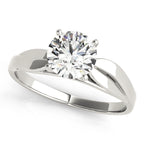
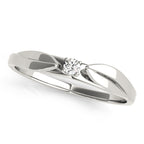
Many people search for engagement rings under 2000 and worry they must settle. You do not have to. If you want affordable engagement rings that look big, start with lab-grown. Shoppers who search for engagement rings affordable at this level get the most from an oval or a pear. Our Sunflower six-prong oval solitaire setting costs AUD 899 in 9K gold, which leaves about $1,100 for the diamond.
Not sure where to start? Browse our diamonds under $1K.
What You Get for $5,000
At $5,000, you can buy a lab-grown diamond of about 4-5 ct, or a natural diamond of about 1 to 1.5 ct.
This is where most couples find a great balance. After a 9K solitaire setting at AUD 899, you have about $4,100 for the stone.
What You Get for $10,000
At $10,000, you can buy a lab-grown diamond of about 8-10 ct, or a natural diamond of about 1.7 to 2 ct.
A 9K setting at AUD 899 leaves about $9,100 for the diamond. That is a head-turning size in lab-grown.
What You Get for $20,000+
At $20,000 or more, you can buy a lab-grown diamond of about 8.00 ct and above, or a natural diamond of about 2-3 ct and above.
This budget opens the door to fully personalised rings. Choose a top cut, high colour and high clarity. Then ask for a custom engagement ring design built around your stone.
Lab-Grown vs Natural at the Same Budget
Lab-grown gives you far more carats for the same money, because it costs much less than natural at the same size and grades.
|
Total budget |
Lab-grown diamond |
Natural diamond |
|
$2,000 |
1.00 - 1.5 ct |
0.5 to 0.6 ct |
|
$5,000 |
4 - 5 ct |
1 to 1.5 ct |
|
$10,000 |
8 - 10 ct |
1.7 to 2 ct |
|
$20,000+ |
Best quality diamonds |
2-3 ct and above |
These sizes are estimates. They assume a solitaire setting and a good cut. Both types are real diamonds with GIA or IGI certificates. Choose lab-grown diamonds for size, or natural diamond engagement rings if you want a mined origin.
Which Specs to Flex to Maximise Carat

Flex colour, clarity and metal first, and never flex the cut.
-
Cut: Keep it excellent. It controls the sparkle.
-
Colour: G to H looks white in most settings.
-
Clarity: Eye-clean VS2 or SI1 looks clean to the eye.
-
Shape: Oval, pear and marquise look bigger per carat.
-
Carat: Buy just under a whole carat, such as 0.90 ct instead of 1.00 ct.
-
Metal: Use 9K or 14K gold to free up money for the stone.
Follow these steps to turn any budget into a shopping list.
-
Set your total. For example, $5,000.
-
Pick a metal and a setting. Use the table below for the setting price.
-
Subtract. The rest is your diamond budget.
-
Choose a shape and carat. Match them to the tiers above.
-
Check the certificate. Look for GIA or IGI.
Metal changes the setting price. These are the prices for one solitaire setting.
|
Metal |
Sunflower solitaire setting only (AUD) |
|
9K gold |
$899 |
|
14K gold |
$1,199 |
|
18K gold |
$1,499 |
|
Platinum |
$1,799 |
Our diamond carat guide shows how carat and size relate. Shop with Rings of Australia, and you can save up to 70% off on diamond rings compared with high-street prices.
Payment Plans and How Australians Actually Pay

You do not have to pay all at once. Here are the common ways couples pay.
-
Pay a deposit: Pay 50% today and 50% when the ring ships.
-
Use Afterpay: Split the cost into four interest-free instalments.
-
Choose a monthly plan: Spread the cost over months, with terms that apply.
-
Save first: Many couples set a budget and save before they buy.
Using a plan lets you buy the bigger stone now. Just make sure the repayments fit your budget. Also plan for extras:
-
A wedding band to match the ring.
-
An insurance appraisal for your policy.
-
A personalised signature box for the proposal, at AUD 299.
-
Resizing. It is free within 90 days of purchase.
Find Your Ring
Ready to choose? Compare plans on our flexible payment plans page, or book a virtual appointment to talk through your budget with an expert. We will help you find bargain engagement rings that never feel like a compromise.
Engagement Ring Budget FAQs
How much should I spend on an engagement ring?
Spend an amount you can pay without stress. There is no fixed rule. Many couples pick a budget first, then choose the biggest lab-grown diamond they can buy.
Is three months' salary a real rule?
No. It began as an advertising idea, not a rule. Use your own budget and your own priorities instead.
What is the most affordable real diamond ring?
A lab-grown solitaire. Lab-grown diamonds are real diamonds. You can get a solitaire setting starting from AUD 899 in 9K gold, and all you need to do is add a diamond.
Can I buy engagement rings under 2000 dollars?
Yes. A simple solitaire setting plus a lab-grown diamond of about 1.00 - 1.5 ct can fit under AUD 2,000. Check live prices, because they change often.
Is $5,000 a good budget for an engagement ring?
Yes. At about $5,000, you can get a lab-grown diamond of around 4-5 ct. If you want natural diamonds, then you will get a diamond of about 1 to 1.5 ct.
Can I pay for an engagement ring in instalments?
Yes. You can use Afterpay, a 50% deposit with the rest when the ring ships, or a monthly plan. Terms apply.
Is a lab-grown ring a good choice on a budget?
Yes. Lab-grown diamonds are real diamonds with the same sparkle and hardness. They cost much less, so your budget buys a larger and higher-quality stone.
Which specs should I flex to get a bigger diamond?
Flex colour to G or H, and clarity to an eye-clean VS2 or SI1. Never flex the cut, because it controls the sparkle.